

The Specimen Library / Record
Selenite / Gypsum
Gypsum / trade-name questions
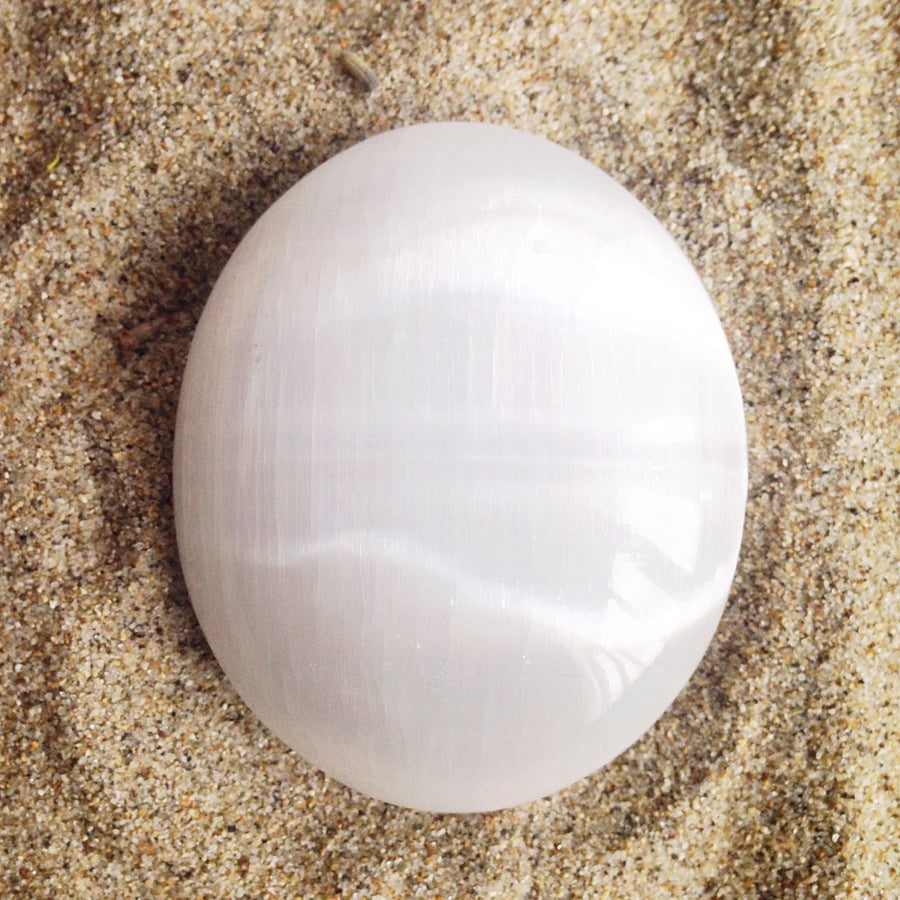
Gypsum is the mineral. 'Selenite' often means its clear crystals, while many white fibrous pieces sold as selenite are more precisely satin spar gypsum.
← Return to the Specimen Library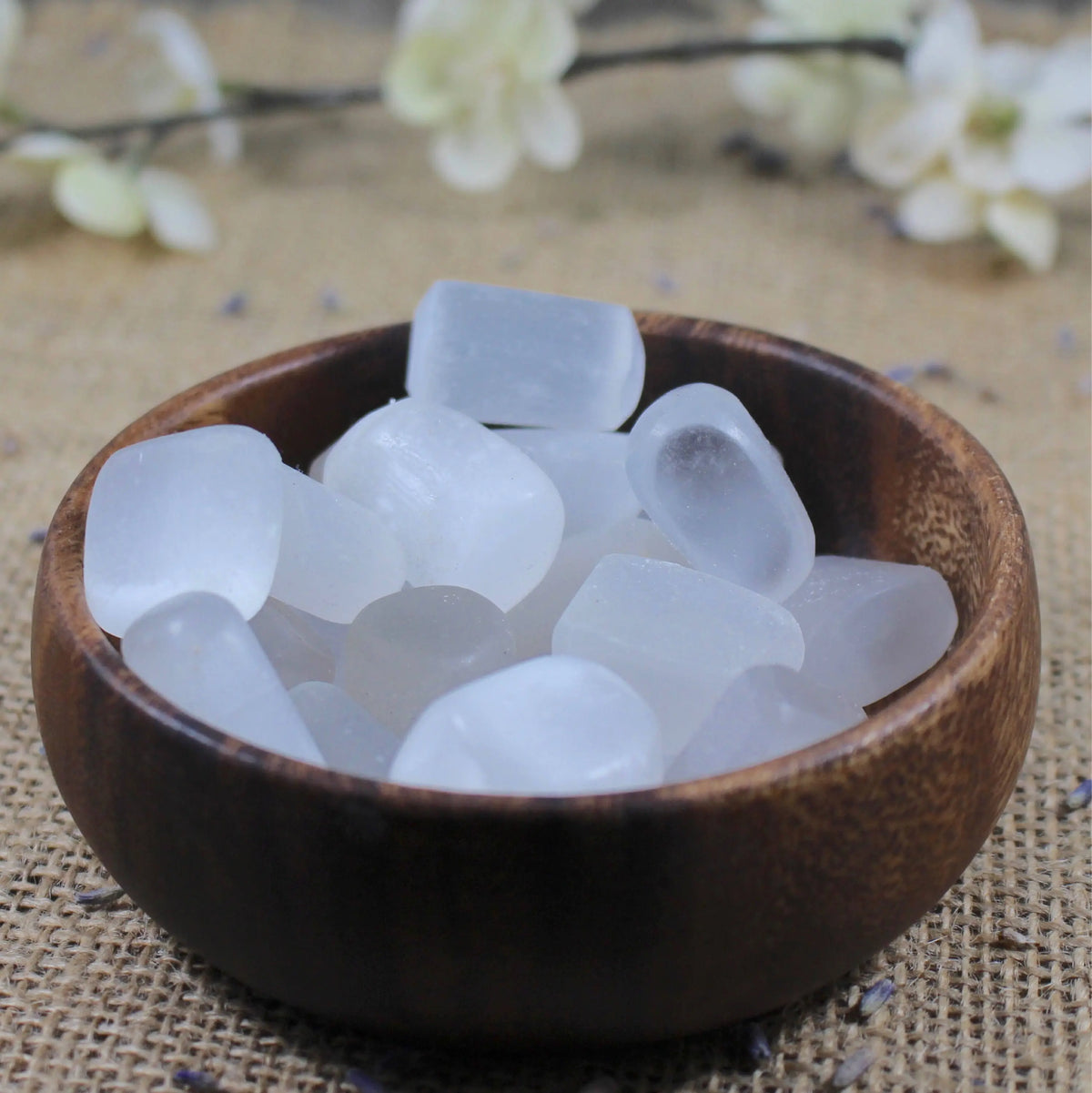
01 · The material
Natural History
Gypsum commonly forms when mineral-rich water evaporates and leaves calcium sulfate behind. Growth habit can produce clear crystals or aligned fibrous masses.
02 · Observe
Under the Loupe
Check whether a piece is transparent and bladed or white and fibrous. Many commercial 'selenite logs' are satin spar gypsum; identify the actual piece before assigning its variety.
03 · Ownership
Collect & Care
Gypsum scratches easily and is somewhat water-soluble. Dust with a dry soft brush; do not soak, scrub or use as a water vessel. Protect fibrous pieces from abrasion.
04 · The human story
History, Lore & Tradition
Documented history
Gypsum alabaster was carved into historical vessels, including a Cypriot perfume vase at The Met. The name “alabaster” can also refer to calcite, so the material identification matters.
Meanings & modern crystal practice
These associations belong to spiritual traditions and personal symbolism, distinct from mineralogical facts.
Modern crystal practice associates selenite and satin spar with clarity and ritual cleansing. This is a spiritual practice, distinct from removing dirt, germs or contaminants from another object.
Sources & further reading
References are labeled by role. A source documenting a belief is not evidence of a medical or mineralogical effect. Reflection prompts are C&C editorial suggestions.
- Mineralogy · Handbook of Mineralogy: Gypsum
- Geology and gypsum forms · National Park Service: Gypsum at White Sands
- Landscape formation · National Park Service: Geology of White Sands
- Collection care · Natural History Museum: Sparkling, sensitive and toxic
- Historical object · The Met: Cypriot gypsum perfume vase
- Material-name comparison · The Met: Calcite alabaster bowl
- Contemporary belief example · Energy Muse (not scientific or medical evidence)
The cabinet
Filed Under
Follow the question
Go deeper
Take it with you
Field resources in development
- Collector Record · future free download
- Quick Reference · future free download
- Coloring & Discovery Page · future low-cost resource
The cabinet