

The Specimen Library / History, Lore & Tradition
Quartz · Human Story
Silica / mineral species
A closer look beyond the specimen label.
← Return to Quartz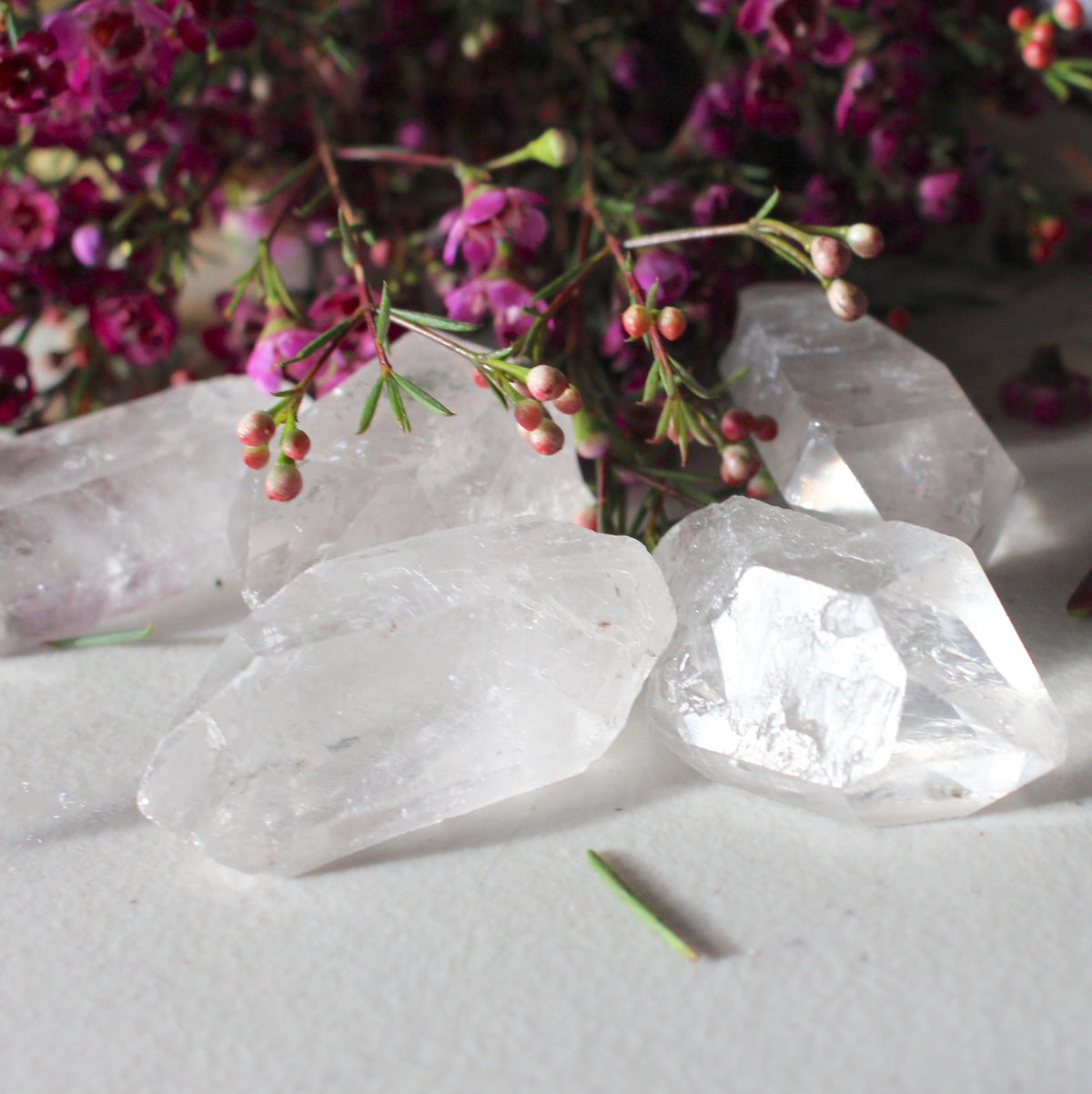
The human story, examined
Documented history, historical belief and contemporary crystal practice are different parts of the story. Each is identified here on its own terms.
Clear stone, intricate work
The Metropolitan Museum holds a German or Dutch ewer made from rock crystal and silver-gilt. Objects like this show how a naturally occurring material can become an astonishing exercise in cutting, polishing and design.
When looking at an old crystal vessel, ask two questions: what is the material, and what have people done with it? A polished object contains a geological story and a craft story.
Why “crystal” sounds like ice
The Smithsonian traces the language of crystal to a Greek idea of frozen ice. That historical explanation tells us something about how clear quartz appeared to earlier observers; quartz is not frozen water.
This is a useful distinction throughout the cabinet: a historical interpretation can be meaningful even when its physical explanation has changed.
Modern practice: clarity and intention
Clear quartz is often described in modern crystal practice through the language of clarity, intention and amplification. Here, those terms describe a spiritual framework rather than an established effect on thoughts or other stones.
Try making the intention specific: “What am I choosing to pay attention to today?” Write the answer, place the crystal nearby if you wish, and let the object mark the decision. The next action is still yours.
Sources & further reading
References are labeled by role. A source documenting a belief is not evidence of a medical or mineralogical effect. Reflection prompts are C&C editorial suggestions.
Adjacent drawers
Related Specimens
The cabinet