

The Specimen Library / Record
Pyrite
Iron sulfide / mineral species
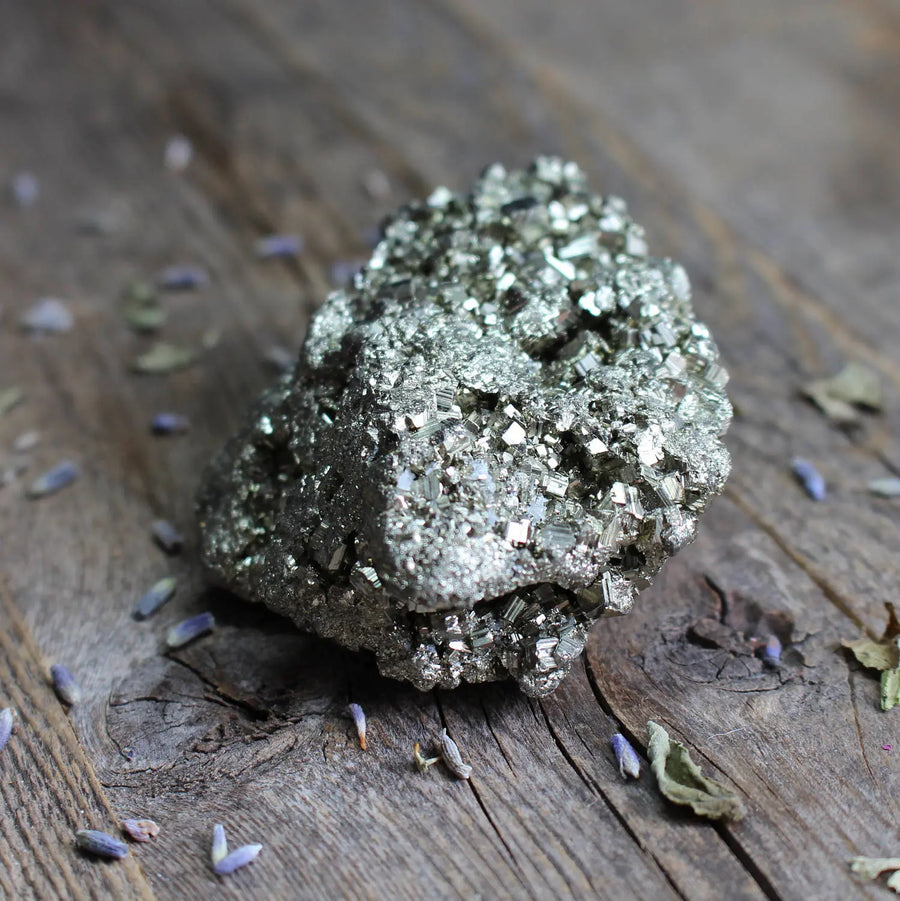
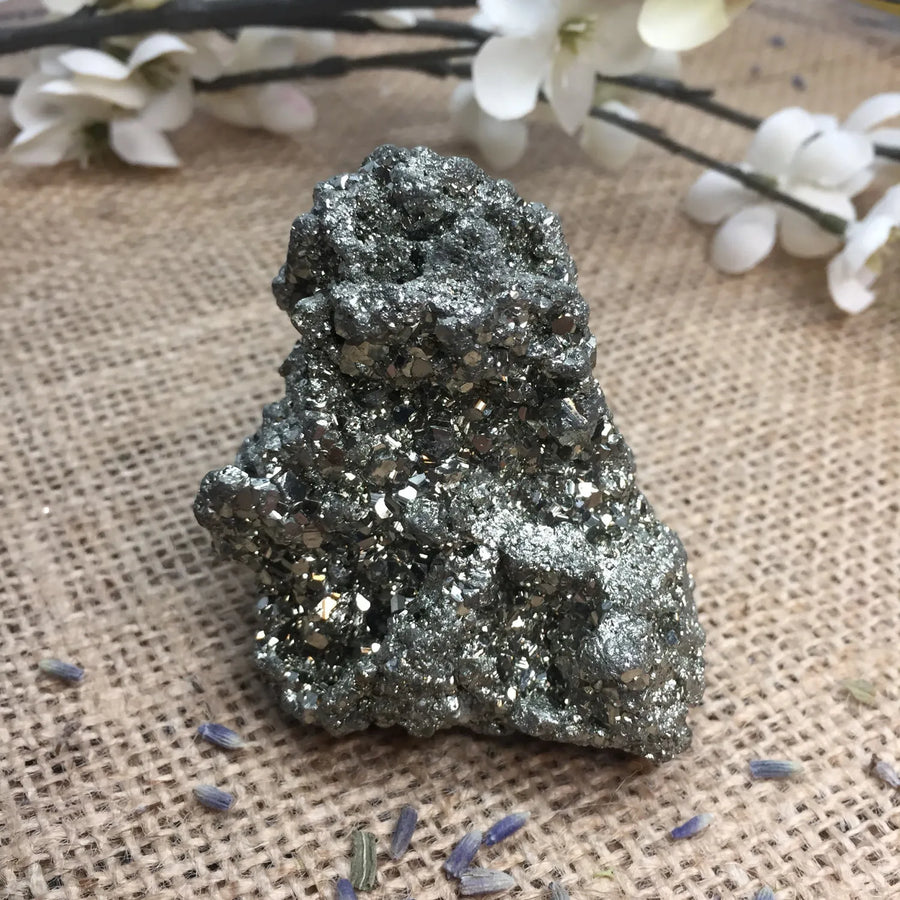
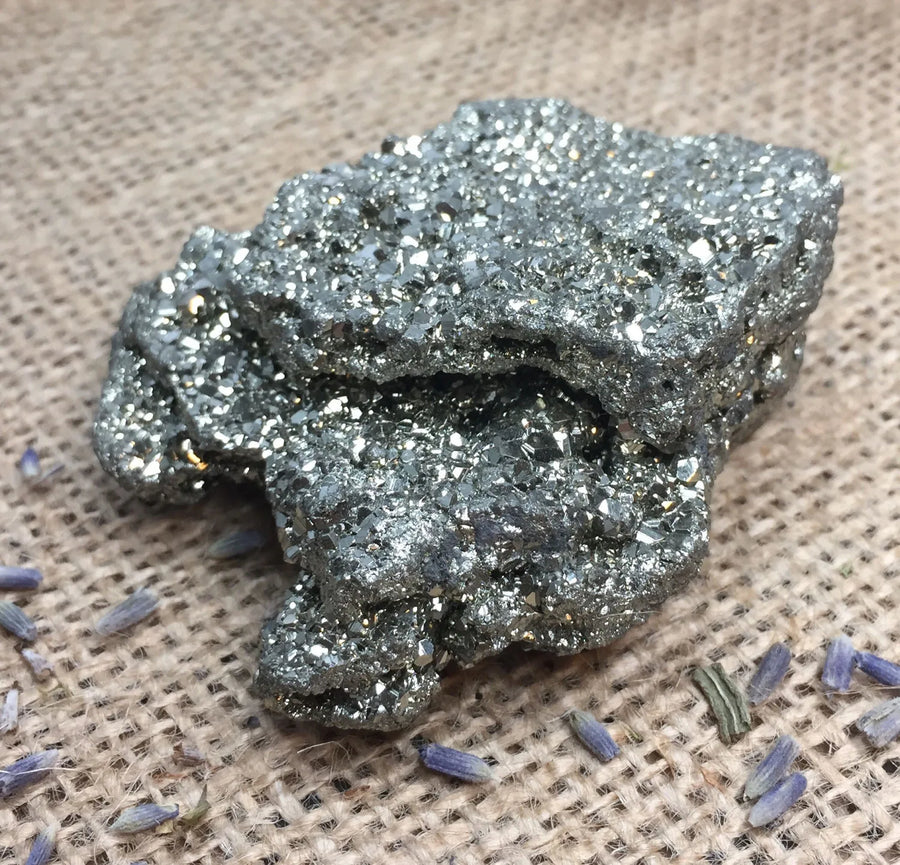
Pyrite's metallic cubes look deliberately made, yet their geometry grows naturally. Some specimens are vulnerable to moisture-driven deterioration, so storage matters.
← Return to the Specimen Library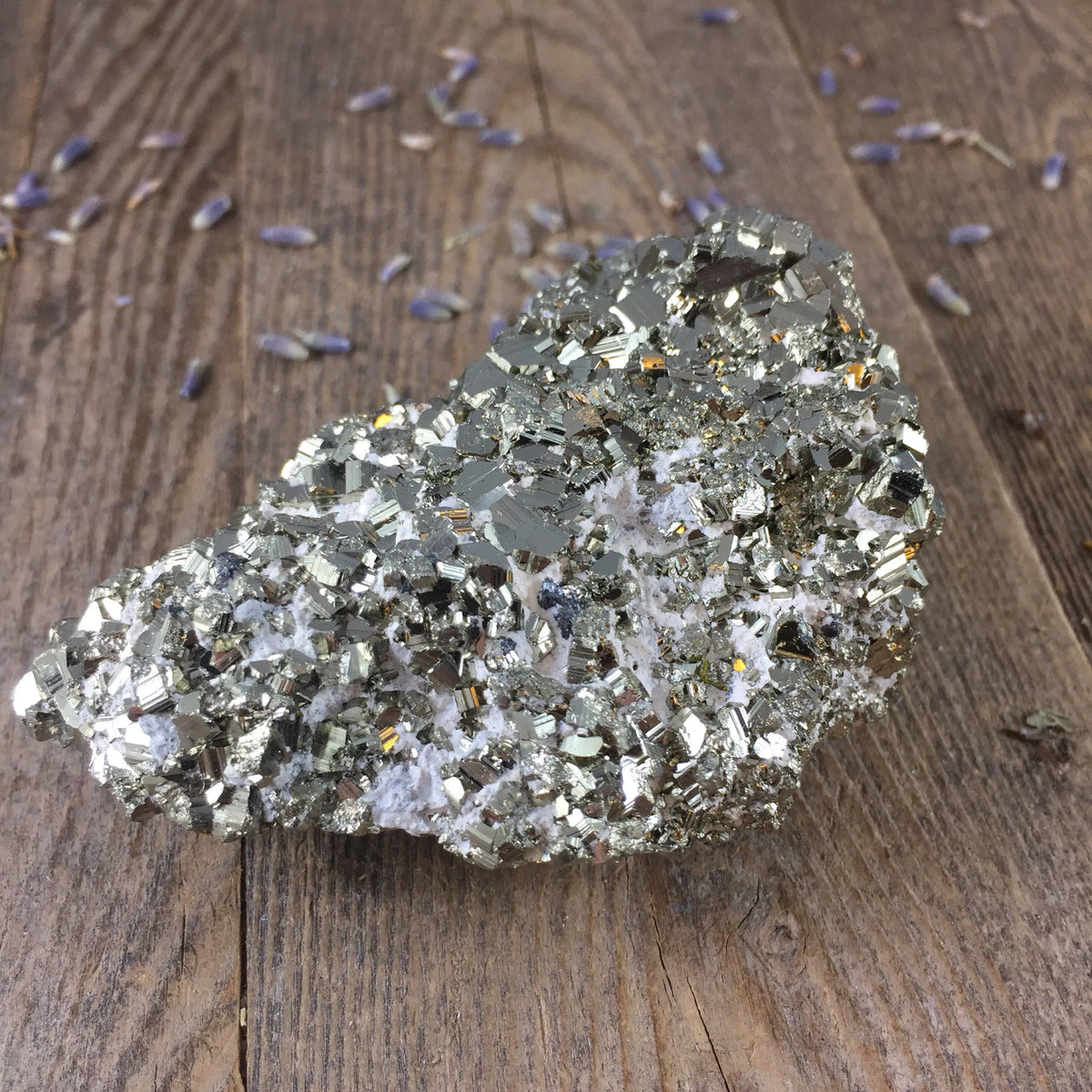
01 · The material
Natural History
Pyrite forms in varied geological settings, including sedimentary rocks and mineral veins. Cubes and striated faces are distinctive habits.
02 · Observe
Under the Loupe
A brassy metallic surface and cubic crystals are useful clues. It differs from native gold in brittleness, hardness and crystal habit; do not rely on color alone.
03 · Ownership
Collect & Care
Store dry and inspect for new powder, cracking or acidic odor. Do not soak it. At-risk pyrite-bearing specimens may need controlled low-humidity storage.
04 · The human story
History, Lore & Tradition
Documented history
Pyrite’s name refers to fire and its spark-producing behavior. In collections, its involvement in fossil preservation—and sometimes later decay—is another part of its human story.
Meanings & modern crystal practice
These associations belong to spiritual traditions and personal symbolism, distinct from mineralogical facts.
Contemporary crystal traditions associate pyrite with confidence, protection and abundance. These are symbolic meanings, not a promise of money or protection from physical harm.
Sources & further reading
References are labeled by role. A source documenting a belief is not evidence of a medical or mineralogical effect. Reflection prompts are C&C editorial suggestions.
- Mineralogy · Handbook of Mineralogy: Pyrite
- Fossil preservation and decay · Natural History Museum: What is a fossil?
- Professional conservation · Natural History Museum: Conservation centre
- Name and properties · Handbook of Mineralogy: Pyrite
- Collection history · Natural History Museum: What is a fossil?
- Contemporary belief example · Energy Muse (not scientific or medical evidence)
The cabinet
Filed Under
Follow the question
Go deeper
Take it with you
Field resources in development
- Collector Record · future free download
- Quick Reference · future free download
- Coloring & Discovery Page · future low-cost resource
The cabinet