

The Specimen Library / Record
Obsidian
Volcanic glass / mineraloid
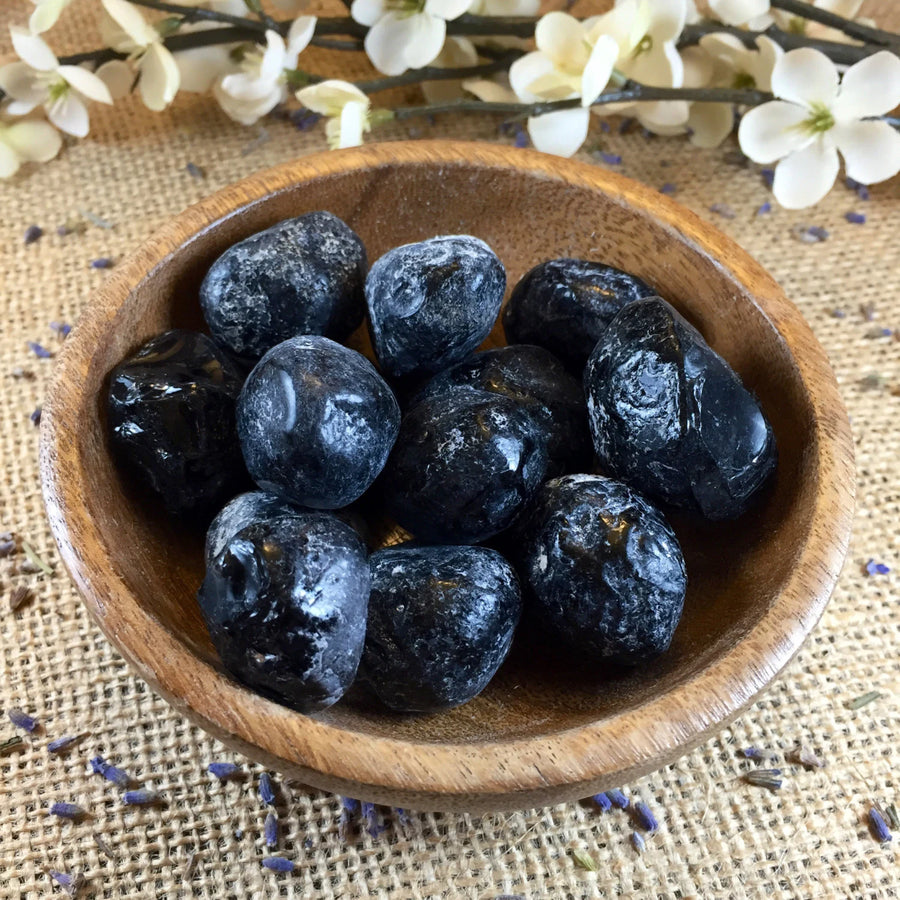
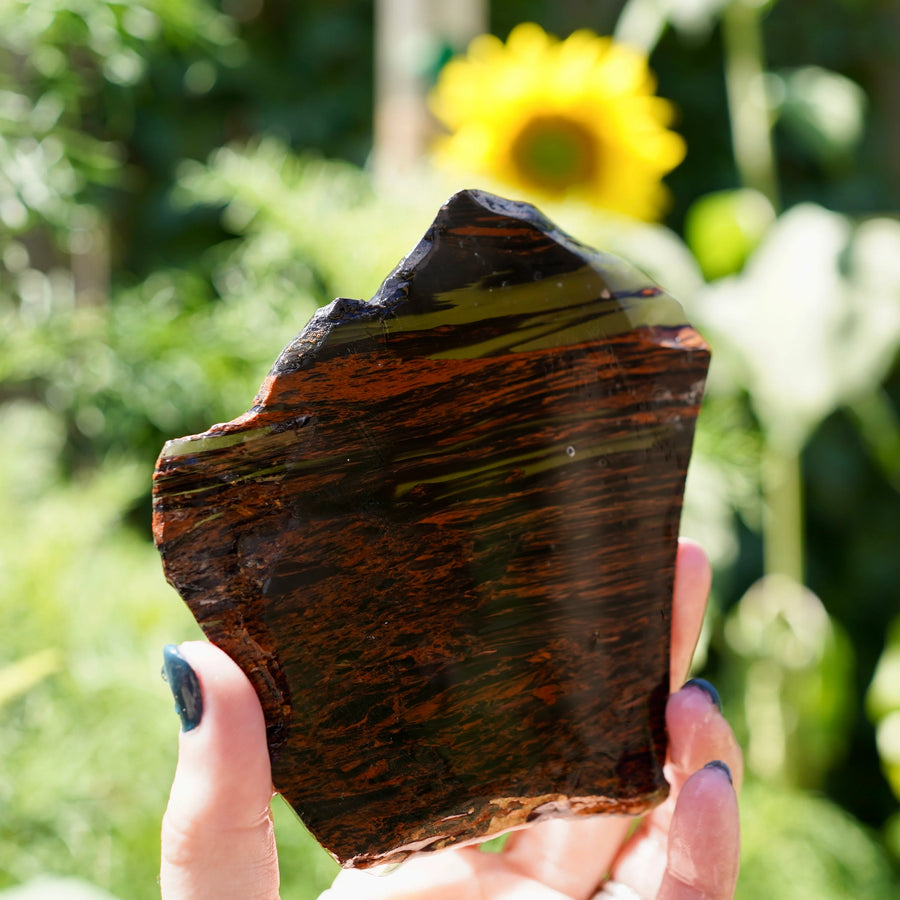
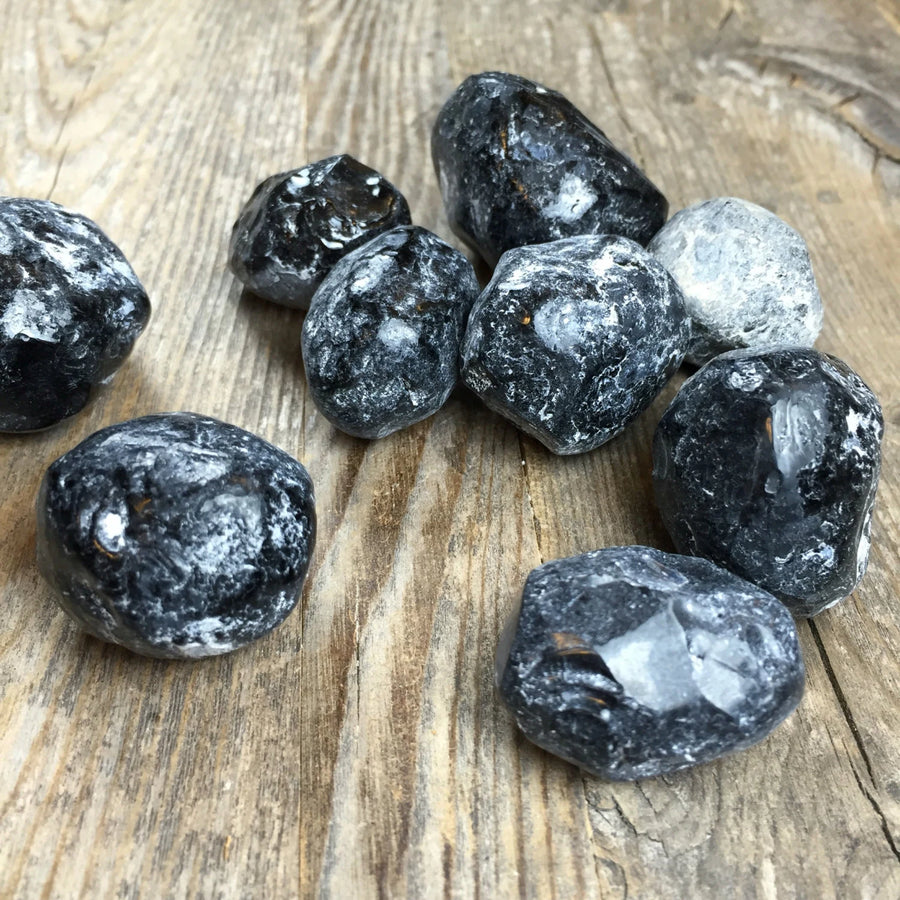
Obsidian is volcanic glass formed by rapidly cooled lava. It has no regular crystal structure, so it belongs in a mineral cabinet without being called a mineral species.
← Return to the Specimen Library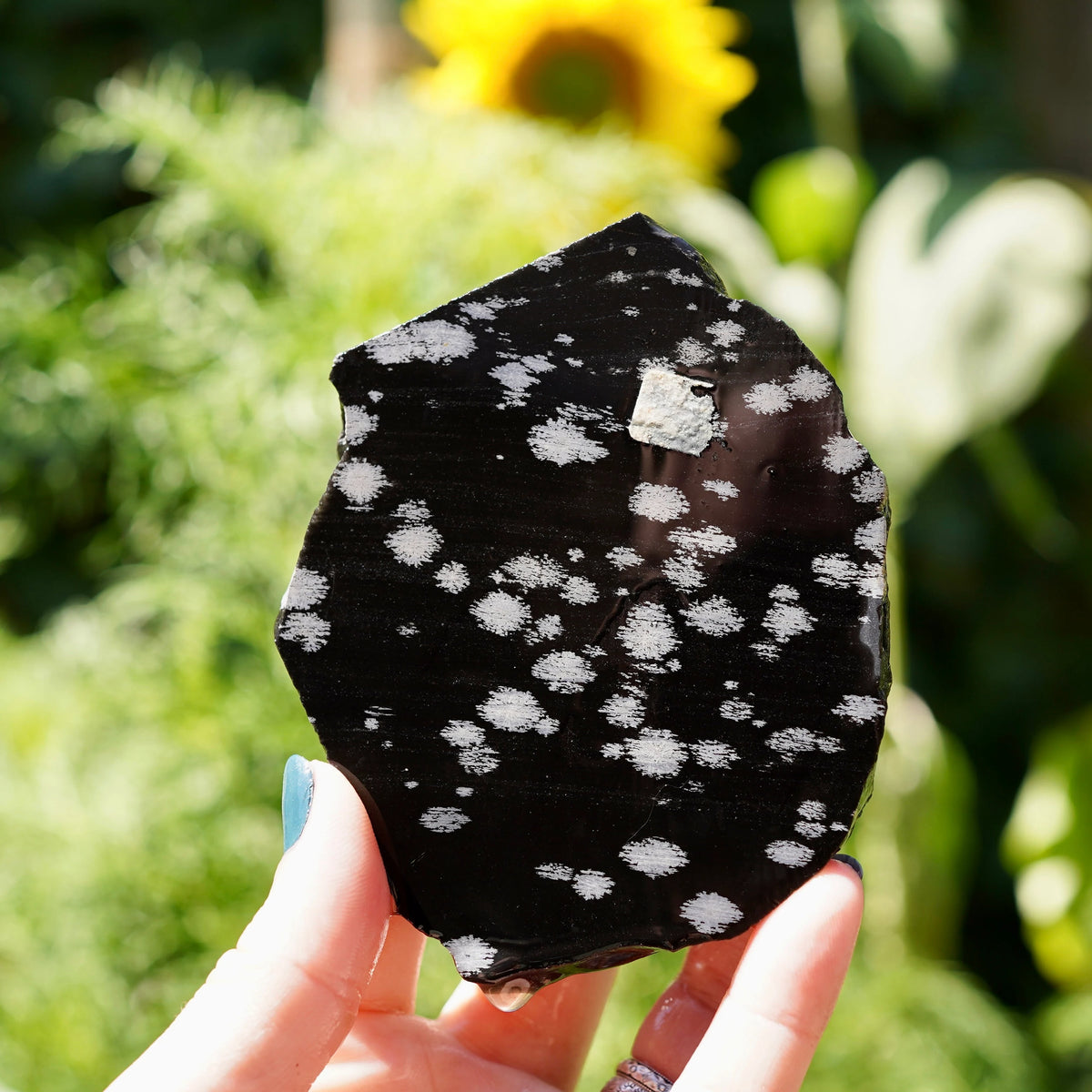
01 · The material
Natural History
Silica-rich lava can cool into natural glass rather than a fully crystalline rock. Obsidian may still contain small crystals or crystalline areas within its glassy material.
02 · Observe
Under the Loupe
Look for a glassy surface and curved, shell-like fractures. Bottle glass and other man-made glasses can resemble obsidian; context matters.
03 · Ownership
Collect & Care
Fractured edges can be extremely sharp. Handle with care, cushion chips and avoid placing rough fragments where children or pets can reach them.
04 · The human story
History, Lore & Tradition
Documented history
Obsidian has a documented history as a tool material and in particular mirror objects. Archaeological uses belong to specific places and contexts, rather than one universal tradition.
Meanings & modern crystal practice
These associations belong to spiritual traditions and personal symbolism, distinct from mineralogical facts.
Contemporary crystal traditions connect obsidian with grounding, protection and reflective “shadow work.” These are spiritual or symbolic practices, not psychological treatment or physical protection.
Sources & further reading
References are labeled by role. A source documenting a belief is not evidence of a medical or mineralogical effect. Reflection prompts are C&C editorial suggestions.
- Volcanic geology · USGS: Rock, glass and flowbands
- Geology and use · USGS: Yellowstone’s tool-making lava flows
- Analytical archaeology · Antiquity, 2021: The mirror, the magus and more
- Archaeological context · USGS: Yellowstone’s tool-making lava flows
- Object history · Antiquity, 2021: The mirror, the magus and more
- Contemporary belief examples · Energy Muse: Crystal meanings (not scientific evidence)
The cabinet
Filed Under
Follow the question
Go deeper
Take it with you
Field resources in development
- Collector Record · future free download
- Quick Reference · future free download
- Coloring & Discovery Page · future low-cost resource
The cabinet