

The Specimen Library / History, Lore & Tradition
Labradorite · Human Story
Plagioclase feldspar / mineral
A closer look beyond the specimen label.
← Return to Labradorite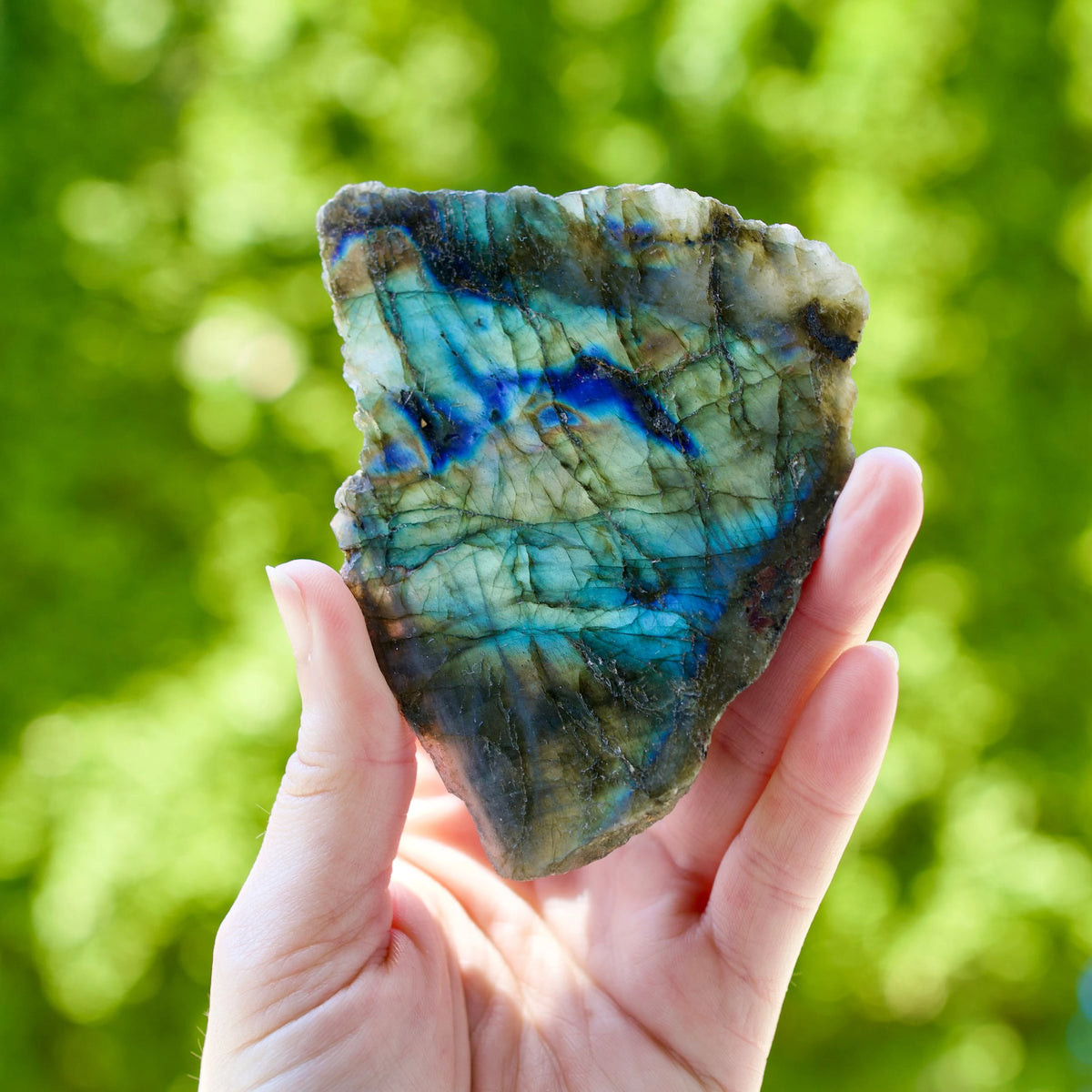
The human story, examined
Documented history, historical belief and contemporary crystal practice are different parts of the story. Each is identified here on its own terms.
A place-name is not provenance
Labradorite’s name is tied to Labrador. That historical name does not mean every specimen came from Canada; the material is found in multiple places, and an individual object needs its own locality record.
This is an easy trap with mineral names. A name can preserve the history of recognition while the specimen in your hand has a completely different geographic history.
The stories we have not borrowed
Popular retellings often connect labradorite with northern lights and attribute a single origin legend to Inuit people. We have not included that as documented cultural history without a traceable account and appropriate cultural context.
The optical phenomenon is extraordinary without an embellished legend. If a dependable historical source becomes available, the record can grow—with the particular community and source identified.
Modern practice: intuition and possibility
Contemporary crystal traditions associate labradorite with intuition, transformation and spiritual protection. Those are practice meanings, distinct from the physical explanation of its flash.
An observation can become a personal prompt: “What changes when I look from another angle?” Turn the stone slowly, then consider the question. That is a suggested C&C reflection, not an ancient ritual or a claim that labradorite grants psychic ability.
Sources & further reading
References are labeled by role. A source documenting a belief is not evidence of a medical or mineralogical effect. Reflection prompts are C&C editorial suggestions.
The cabinet