

The Specimen Library / History, Lore & Tradition
Citrine · Human Story
Quartz / yellow-to-orange variety
A closer look beyond the specimen label.
← Return to Citrine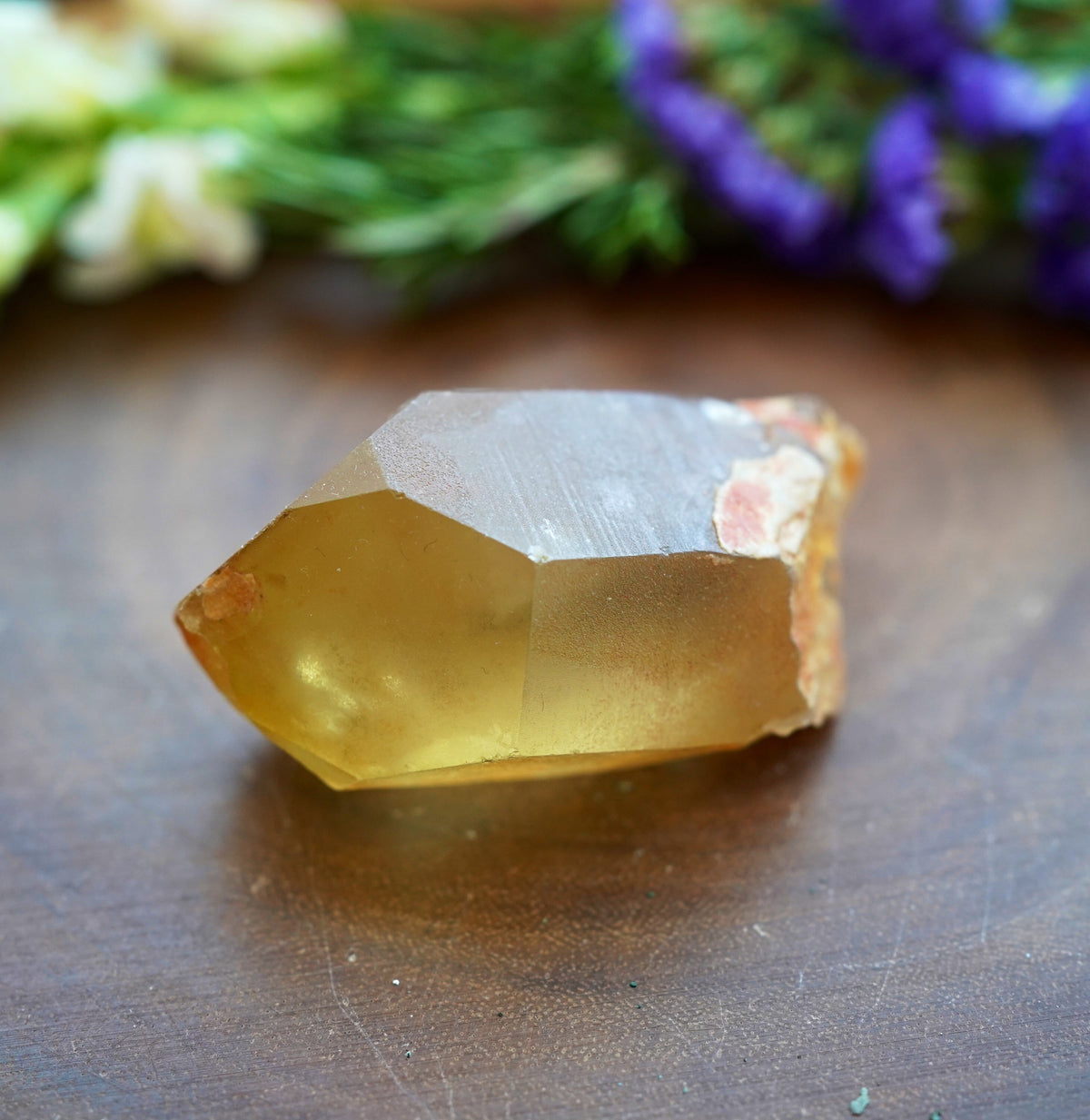
The human story, examined
Documented history, historical belief and contemporary crystal practice are different parts of the story. Each is identified here on its own terms.
A name that has moved around
GIA notes that citrine was historically confused with topaz because of its color. That is a naming history, not evidence that the two stones share a mineral identity.
A modern label is most useful when it tells you both the material and what is known about it. “Yellow quartz, treatment unknown” can communicate more than an impressive name with no explanation.
Birthstone and personal meaning
Citrine is recognized as a November birthstone alongside topaz. Birthstone lists are cultural conventions, and they vary across places and periods. They are not properties encoded in a crystal.
A birthstone gift can still be deeply personal. Its meaning comes from the person, the occasion and the choice of object—not from needing a geological reason for every association.
Modern practice: abundance with an action
Modern crystal traditions often connect citrine with abundance, confidence and optimism. Those are symbolic associations, not a promise that owning yellow quartz will produce money or change your circumstances.
A useful journaling prompt is, “What would I make room for if I took my own work seriously?” Pair the answer with one realistic action. A ritual can frame the intention; it does not replace the work.
Sources & further reading
References are labeled by role. A source documenting a belief is not evidence of a medical or mineralogical effect. Reflection prompts are C&C editorial suggestions.
Adjacent drawers
Related Specimens
The cabinet